


Modern people spend more and more time in a sitting position: when sitting in front of a computer or getting to the right place in their car.The more often we refuse to walk, the more at risk we are of varicose veins.
More than half of the population of our planet faces this problem in one way or another.Diagnosis of varicose veins dates back to ancient times.The greatest doctors spent many years studying it, but unfortunately, they never achieved the desired results.That is why such a disease exists to this day, often bothering people of working age.What causes this disease?
Varicose veins - the cause of their appearance
First of all, a conversation about varicose veins should begin with a little information about the functioning of our circulatory system.As you know, blood circulates throughout the body, and the initiator of this process is our heart: it contracts rhythmically, conducting blood through arteries, blood vessels, etc.The nature of this process is that when it reaches the feet, the blood must turn around and make the return journey.And this is when problems arise that lead to the development of varicose veins.
In addition to the heart, the leg muscles also contribute to transporting blood through the blood vessels.If they are in good shape (constantly contracting and expanding), then there are no problems with the movement of blood through the vessels.If the veins dilate, a space will form between the valves and blood flow will slow.Veins stretch and the patient develops varicose veins.
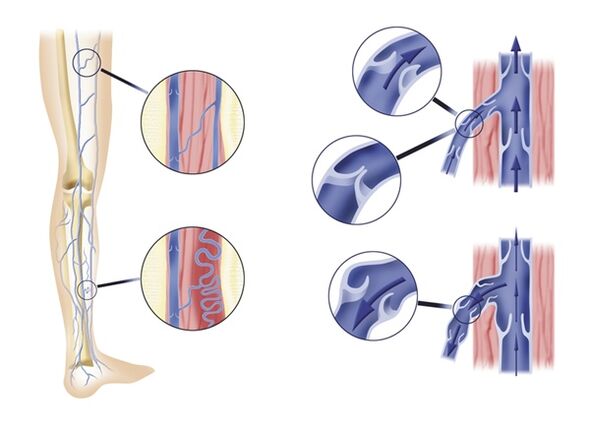
It is worth noting that varicose veins occur not only in the lower limbs: there are cases of varicose veins of the abdominal organs, iliac veins, testicular veins and spermatic cords.The most common is varicose veins in the legs.
Causes of varicose veins in the legs include the following factors:
- Extra pounds.One of the most common causes of varicose veins is being overweight, as it creates increased pressure on the veins in the lower limbs.
- Activities that involve standing for too long.
- Inactivity or physical inactivity.In contrast to the previous factor, the cause of developing varicose veins can be a "sedentary" lifestyle.
- Pregnant.Unfortunately, it also increases the risk of varicose veins.The lack of necessary rest when carrying a child in the final stages creates a certain load on the body and especially on the woman's legs.
- Hereditary.Strangely enough, such a disease can be transmitted from your parents, grandparents to you.Moreover, varicose veins can be localized in completely different places.
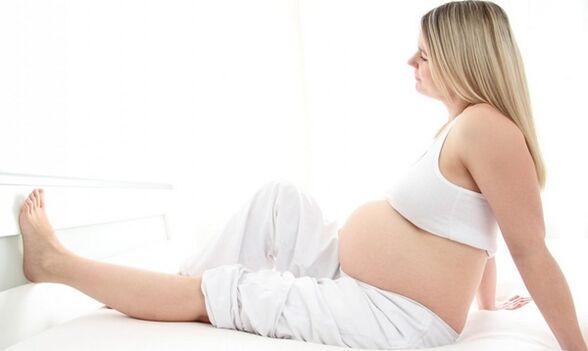
It would be a serious mistake to believe that these factors contribute to the formation and development of varicose veins.These are just the main reasons.Hormonal imbalance, frequent stress, and even bad habits can cause this disease.Many people will ask: for example, how can alcohol affect the appearance of varicose veins?The answer is very simple.Drinks containing alcohol contribute to dehydration of our body and, as a result, the blood vessels do not receive the necessary amount of nutrients.
Even seemingly small things like tight socks or elastic socks hinder the movement of blood, thereby increasing the risk of varicose veins.
Symptoms of varicose veins
The disease can progress over many years.In the early stages, varicose veins may be completely asymptomatic.Only occasionally does a person feel heaviness, pain in the legs and cramps in the calf muscles after a long walk.In the later stages, symptoms become more and more obvious and varicose veins can be identified with certainty.
First of all, the signals of the appearance of such a problem are persistent pain in the legs, swelling and cramps.It is important that in the case of varicose veins, all these symptoms are "muffled" when walking or after sleep.
We often attribute such discomfort to fatigue after a hard day's work or after active recreation.This is why people identify varicose veins with the naked eye.Dark blue swollen veins are visible on the legs and small red-blue spider veins appear.
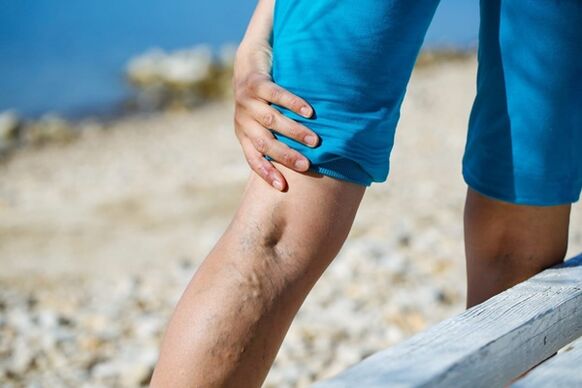
Many women in the fight against varicose veins only address the cosmetic problem by wearing pants or other clothing that covers their legs.You need to fight thoroughly - do not neglect the treatment of varicose veins, because the consequences can become more serious.
Methods and means of treating varicose veins
How to find the right treatment for varicose veins?Sometimes a person just needs a certain amount of time to rest to avoid the first signs of vein distortion.Unfortunately, people seek medical attention when their varicose veins have progressed and require immediate surgical intervention.Below are the different treatments for varicose veins.
Treatment of varicose veins with laser
Modern medicine is developing more and more actively, doctors have the opportunity to carry out non-pharmacological methods of treating diseases.One of these methods is laser treatment for varicose veins or, in other words, blood clotting.The essence of this process is to close the lumen of the varicose veins.Areas damaged by varicose veins are "welded" with high-energy lasers.The surgery does not take long (about 40 minutes), and on this day the patient can go home or return to work.For this reason, this treatment is called “in-office surgery.”The most important thing is the aesthetic effect.After treatment, there are no scars left on the body.
In order for the laser to affect the vein, a special fiber is inserted through the injection.Next, the vein contracts, then the vessel lumen closes.Veins do not participate in blood circulation and are later replaced by connective tissue.This treatment allows you to effectively eliminate varicose veins.
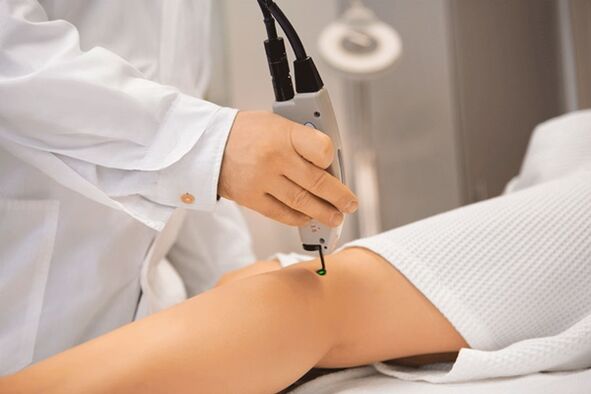
Despite the effectiveness of this method, unforeseen circumstances can also occur.If treatment for varicose veins is started, veins that have reached a large size may become detached and then return to their original position, causing the previous discomfort.
Traditional treatment for varicose veins
Recently, people have become increasingly skeptical about medicine and various surgical interventions.They choose an alternative - treating varicose veins with folk remedies.Such treatments have been tested for decades.
Some plant varieties are effective in treating and preventing varicose veins at home.There is no doubt that the desired results can only be achieved if they are used properly.One of these medicinal plants is stinging nettle.
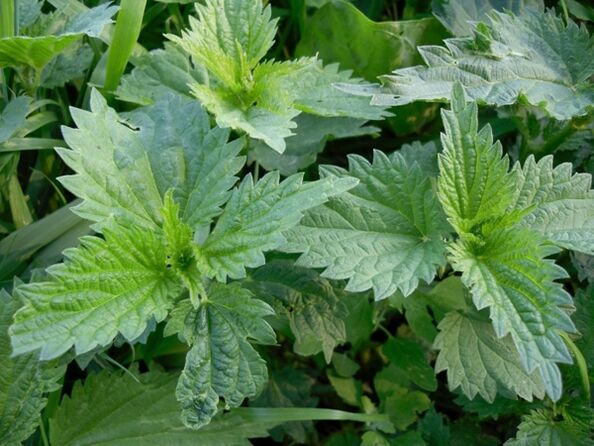
The disadvantage of treating varicose veins with home remedies is expressed in the duration of treatment.It is recommended to drink a decoction from nettles morning and evening for six months.During home treatment, you should also follow a certain diet: if possible, exclude fatty, fried, salty and sweet foods from your diet.Only in totality can the desired effect be produced.
Another example of a medicinal plant is the acacia tree.White acacia flowers are used as compresses, tinctures and lotions.This remedy promotes the drainage of swollen veins caused by varicose veins, bringing a feeling of lightness to the legs.
Among the traditional methods of treating varicose veins, there are methods that can cope with swelling and pain in the legs.Apple cider vinegar is proof of this.

It has special healing properties that are very effective in the fight against varicose veins.This product contains many minerals and trace elements that have beneficial effects on the human body.It also contains vitamins A, B and C.
Treating varicose veins with apple cider vinegar helps strengthen blood vessel walls.In addition, it also has anti-inflammatory effects, eliminates swelling and firms the skin.There are several ways to use this product at home:
- Apply apple cider vinegar after bathing.
- Compression.To make a compress, you need to apply gauze soaked in apple cider vinegar to the damaged area and insulate the area.
- Another way to treat varicose veins is with a spray.Apple cider vinegar is diluted in water (150 g of vinegar per 2 liters of warm water) and areas with varicose veins are soaked with this solution.
Note!Clay (blue, green or white) is also useful in treating varicose veins.Damaged areas should be covered with clay soaked in cold water.
Other treatments for varicose veins
In addition to phlebectomy, home treatment of varicose veins and laser treatment, there are a number of medications: special ointments, blood thinners, anti-inflammatory and pain relievers.The use of this complex of drugs is recommended only after a doctor's prescription.
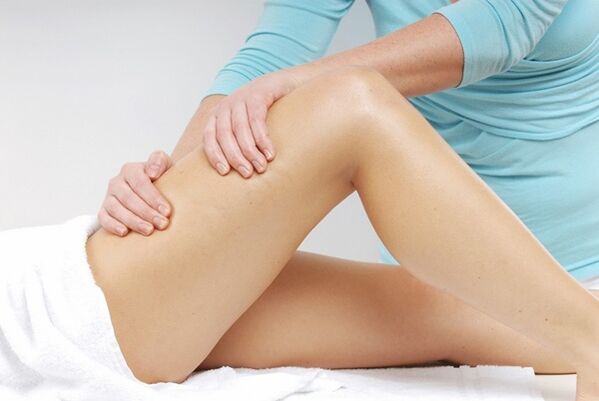
Massage is another treatment and prevention method that can reduce the symptoms of varicose veins because it promotes better blood circulation in the body.It is better to entrust the massage of varicose veins to a qualified specialist, otherwise the effect may be the opposite, aggravating the situation.
Let's dispel the myth!Many people consider hirud therapy (leech treatment) to be an effective treatment for varicose veins.This is a misconception.Such treatment only contributes to blood thinning, which will not affect the main problem of varicose veins - the increase in the vein lumen.Furthermore, the results of such therapy may be negative for the patient.Pigmentation and persistent bleeding are only a small part.Leech saliva contains large amounts of allergens that can cause an inflammatory reaction in humans.
Prevention of varicose veins
Why treat varicose veins if you can prevent their appearance first!Compliance with simple rules will not only help you avoid the appearance and long-term treatment of varicose veins, but also improve your health.
We should not forget that the meaning of our entire life is movement.From childhood we are taught to do morning exercises and take contrast baths.Not in vain!This is the secret to the health of our entire body.
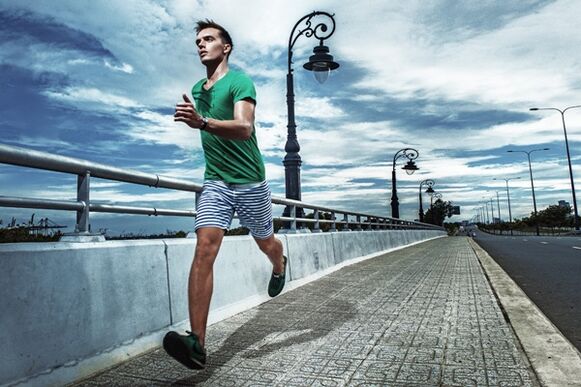
Love sports.You don't need to torture yourself with grueling workouts.You can choose the sport you like.The main thing is to move regularly and not let the body gain unnecessary weight, which can cause varicose veins.In this case, special attention should be paid to nutrition: if possible, exclude fatty foods or try to minimize their intake.Don't forget: we are what we eat.
We abandoned everyone's favorite position – “leg to leg”.In this position, blood circulation is interrupted, which also negatively affects the lower limbs and contributes to the development of varicose veins.It is better to place a small bench or stand at your feet.
Make sure your shoes are comfortable, the heels are low, and the elastic bands on socks and stockings don't squeeze your feet.
Reconsider your lifestyle and never forget that our health is in our hands!